THE CII PARTNERSHIP SUMMIT 2026
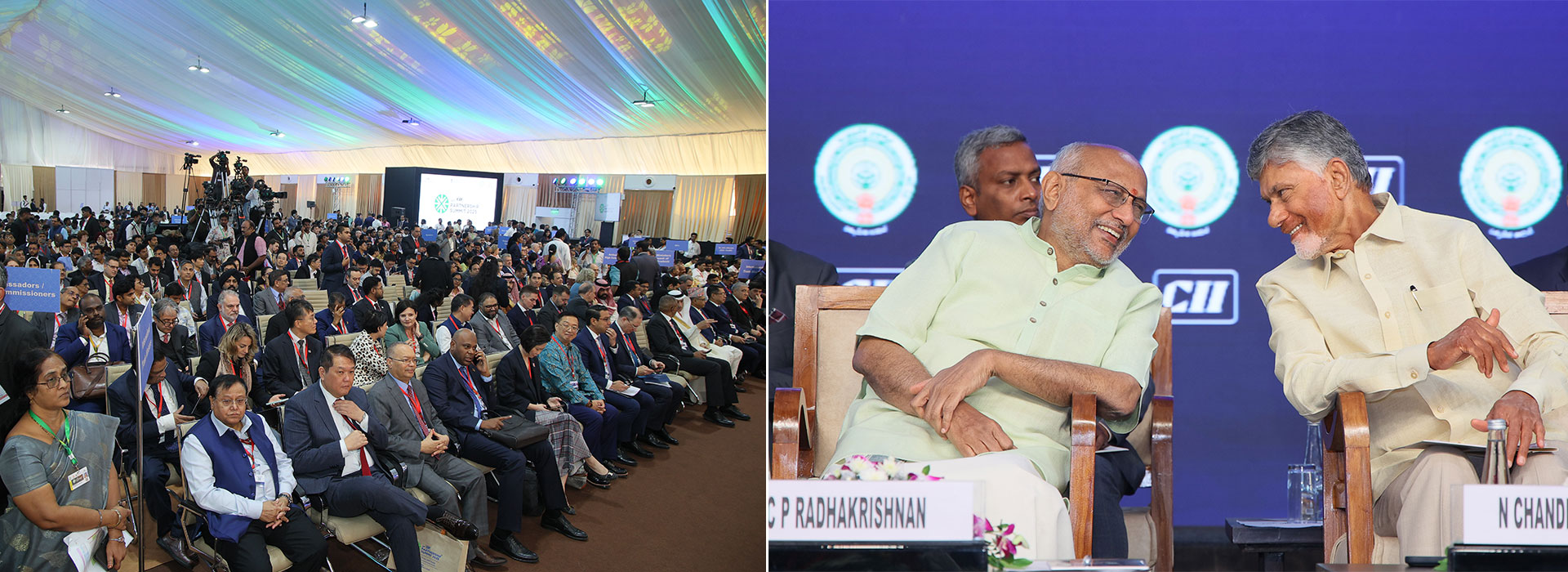
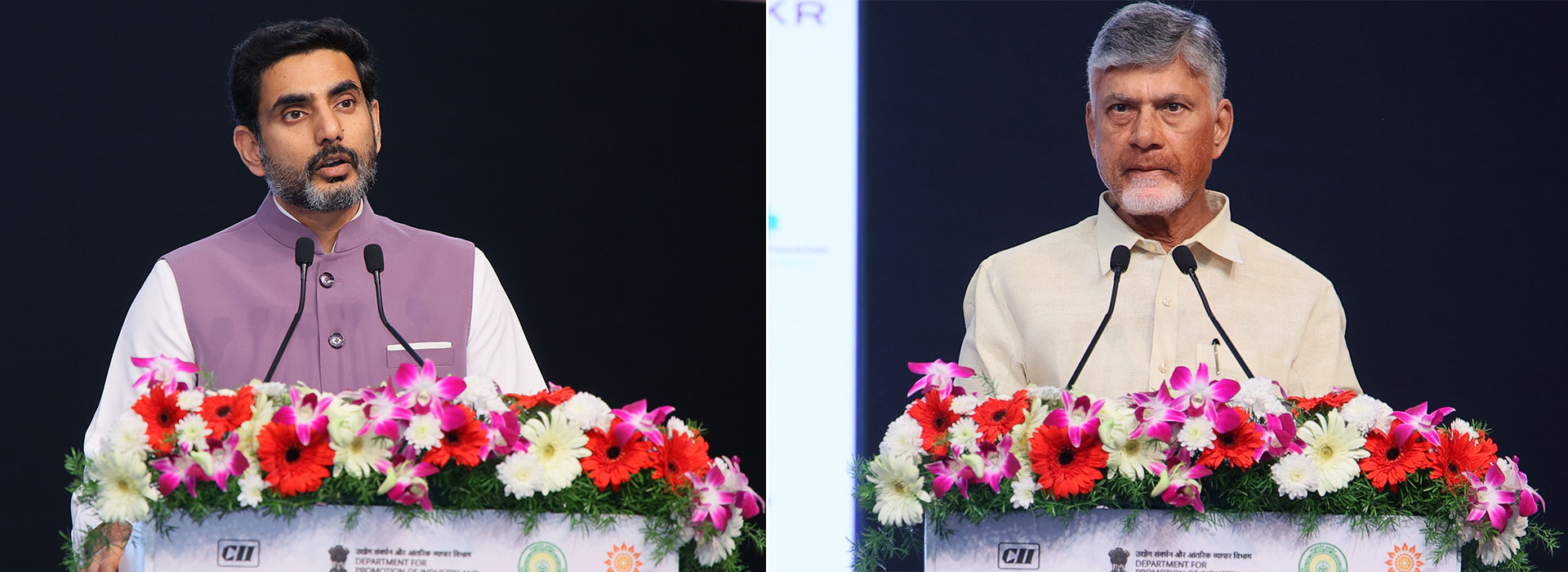
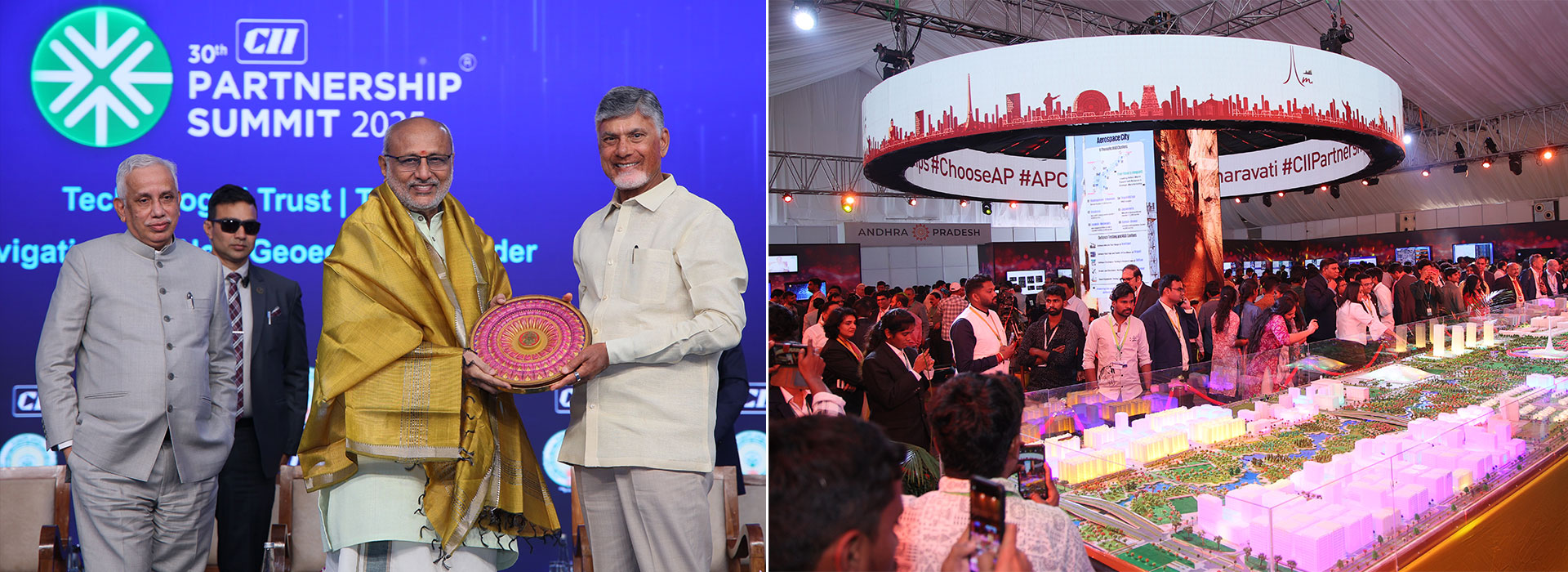
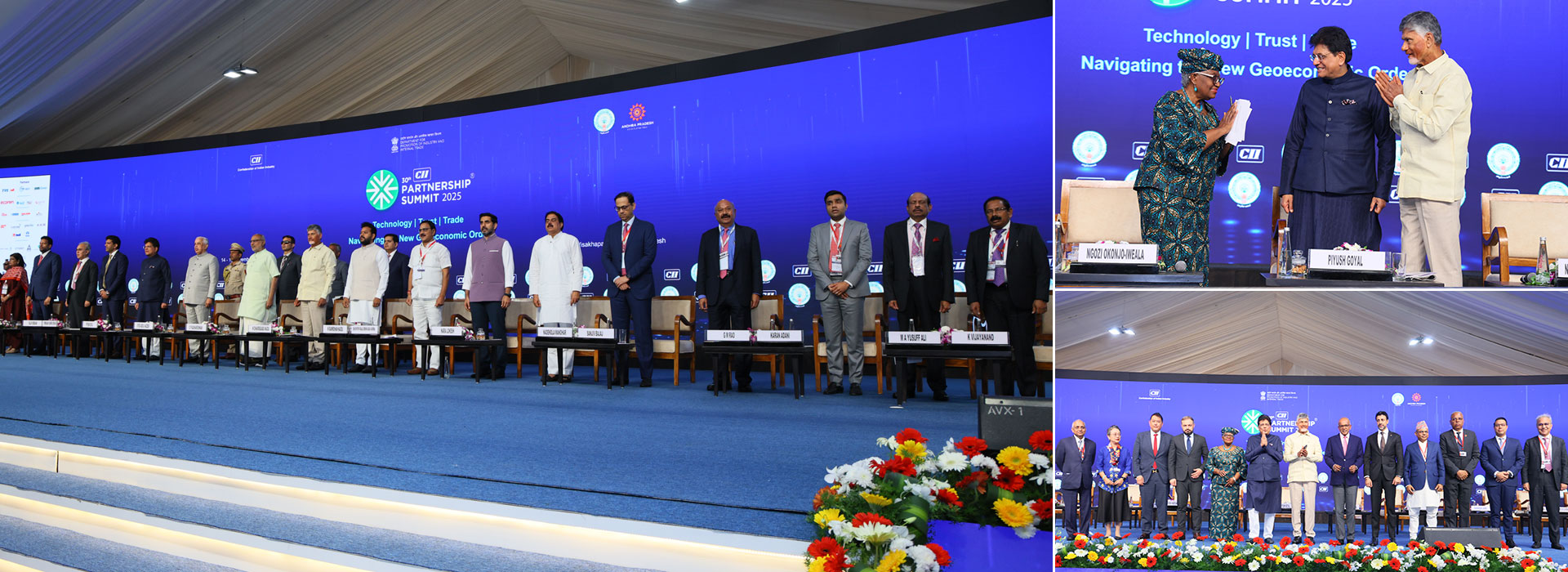
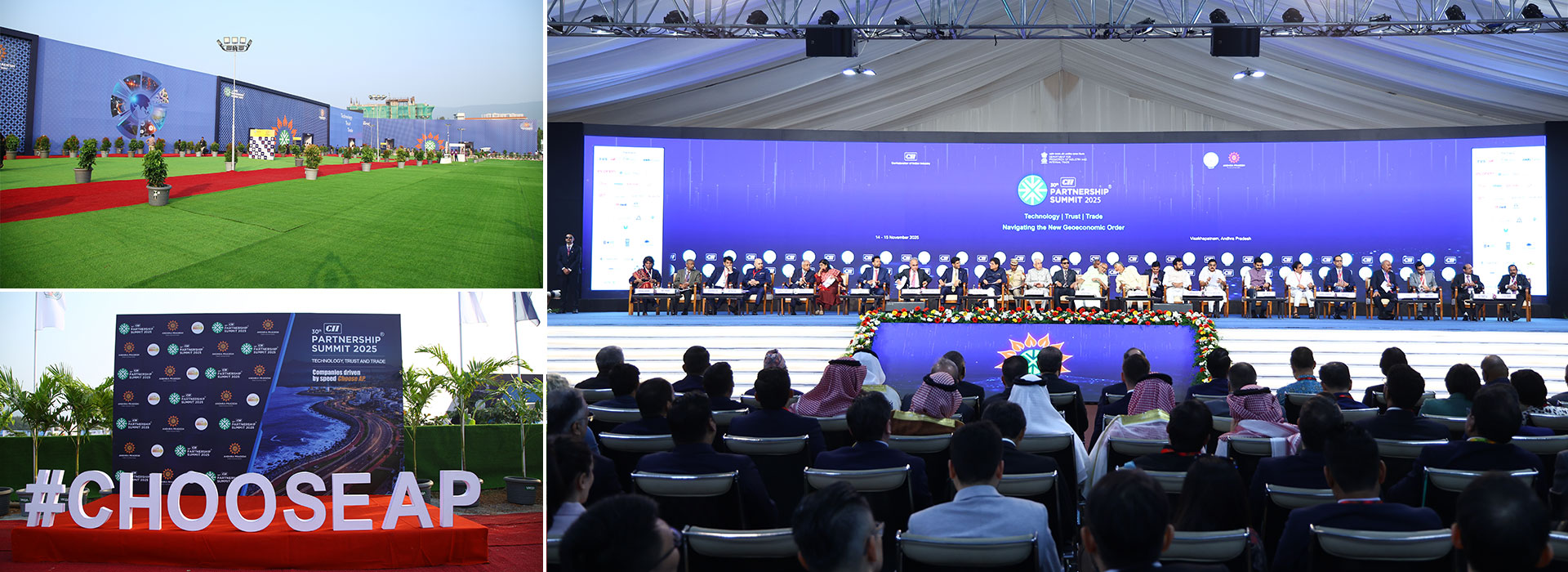
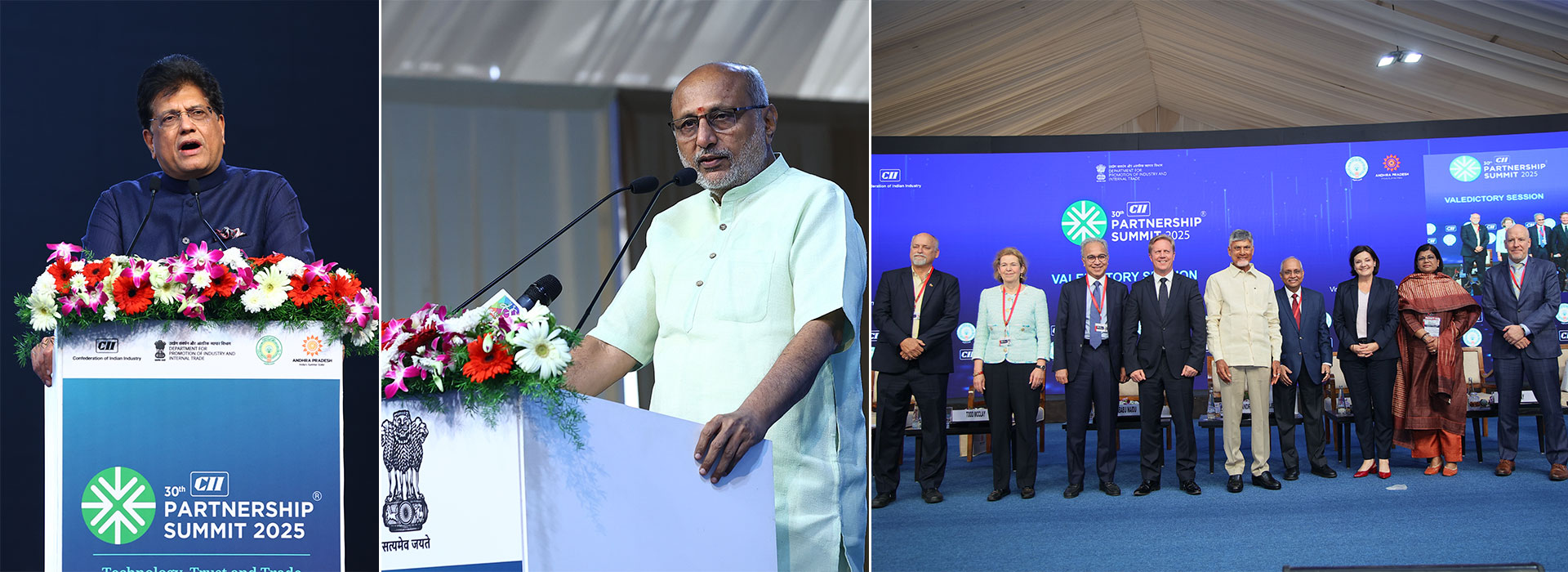
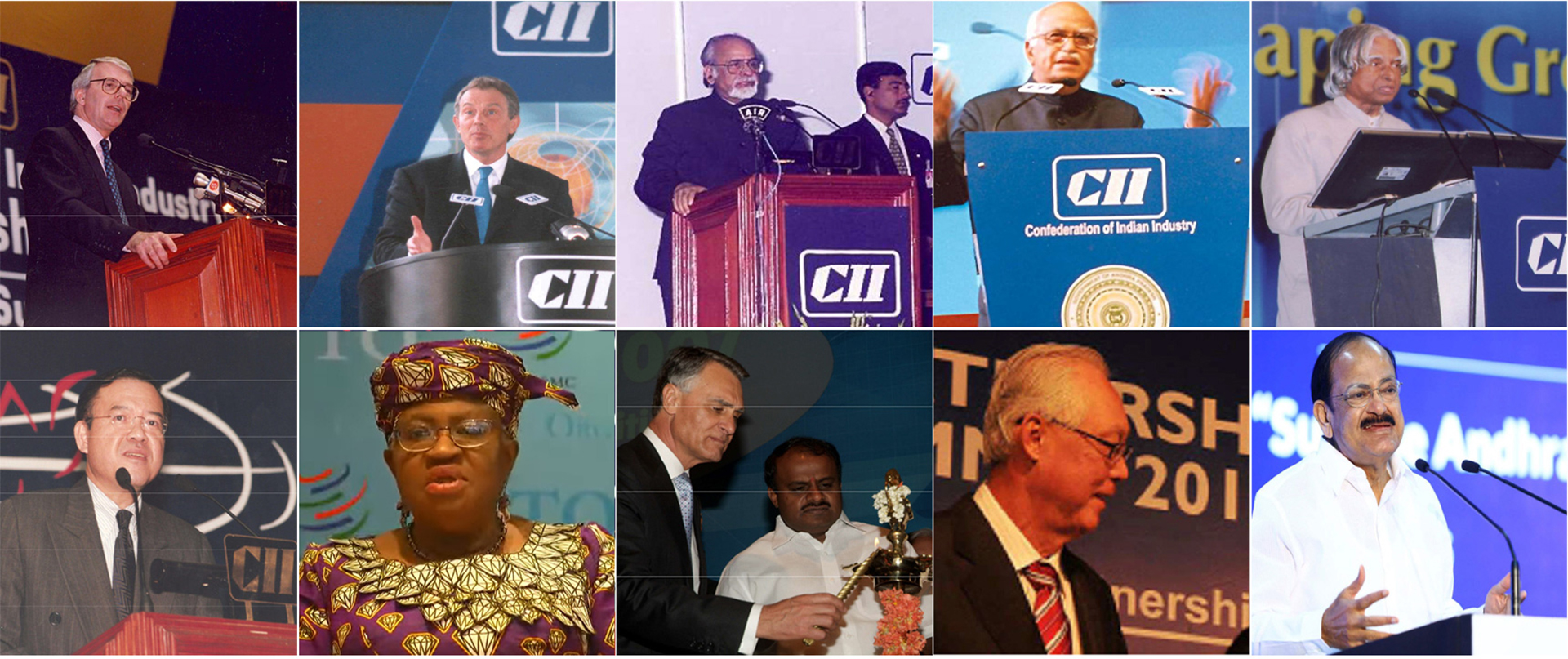
Against this global backdrop, the Confederation of Indian Industry (CII) will organise the 31st edition of the CII Partnership Summit 2026 on 12th and 13th November 2026 in Visakhapatnam, Andhra Pradesh. Held annually since 1995, the Summit is organised in association with the Department for Promotion of Industry and Internal Trade (DPIIT), Ministry of Commerce & Industry, Government of India.
Highlights 2025
Ministers
Sessions
Countries
International Participants
B2B Meetings
Delegates
TRACKS
 
Trade, Investment & Global Value Chains


Trust, Geoeconomics & Global Cooperation


Technology, Innovation & Future Industry


Talent, Skills & Global Mobility


Transition to Clean Energy & Sustainable Growth


Transforming Agriculture, Food Security & Bioeconomy


×


Trade, Investment & Global Value Chains
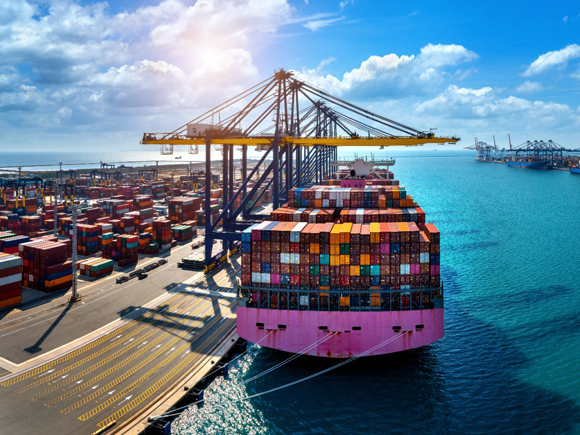
As global value chains undergo significant restructuring, trade and investment patterns are being reshaped by geopolitical tensions, technological disruption, and evolving economic partnerships. Moreover, while digital technologies are improving trade efficiency and logistics, growing strategic competition and supply chain disruptions are accelerating diversification, friend-shoring, and regional production networks. This track will explore how governments and industry can strengthen resilient global value chains, facilitate investment, improve trade connectivity, and expand market access through trusted partnerships. It will also examine pathways to achieve India's ambition of US$2 trillion in merchandise and services exports by enhancing manufacturing competitiveness, promoting digital and sustainable trade, and reinforcing India's role as a reliable hub for global trade, investment, and resilient supply chains.
 
×


×


Trust, Geoeconomics & Global Cooperation
Building trust is no longer only a diplomatic objective; it has become an economic imperative. Geopolitical tensions, supply chain disruptions, evolving trade policies, and technological competition are reshaping international partnerships and investment decisions. This track will explore how governments, businesses, and institutions can strengthen trust through transparent governance, rules-based trade, resilient supply chains, and effective public–private collaboration. Discussions will focus on fostering strategic partnerships, promoting sustainable and secure investment, enhancing economic resilience, and reinforcing multilateral cooperation to support a stable, inclusive, and predictable global economic order.
 
×


×


Technology, Innovation & Future Industry
India’s innovation profile is strengthening, with a Global Innovation Index (GII) rank of 38 in 2025, improving from 52 in 2019. This track will focus on strengthening innovation ecosystems through IP protection, technology transfer mechanisms, and deeper industry-academia-startup collaboration, while also exploring the case for raising R&D investment to unlock breakthrough solutions for national and global challenges. Geopolitical risks underscore the need for stronger defence capabilities and trusted partnerships, making technology and innovation critical for national security. This strategy emphasises collaboration in defence manufacturing, technology transfer, and capability development, as well as addressing cybersecurity, infrastructure resilience, and misinformation. Focus will also be given to India’s emergence as a key player in driving global technology innovation and shaping resilient, future-ready ecosystems.
 
×


×


Talent, Skills & Global Mobility
As industries evolve and global labour markets become increasingly interconnected, talent, skills, and workforce mobility have become critical drivers of economic competitiveness. With over 65% of its population below the age of 35, India possesses one of the world's largest and youngest talent pools. This track will explore how governments, industry, and academia can collaborate to build future-ready skills, promote lifelong learning, strengthen industry-aligned training, and facilitate global talent mobility. Discussions will focus on preparing a skilled workforce for emerging sectors such as advanced manufacturing, digital technologies, clean energy, healthcare, mobility, and defence while positioning India as a global hub for talent and innovation.
 
×


×


Transition to Clean Energy & Sustainable Growth
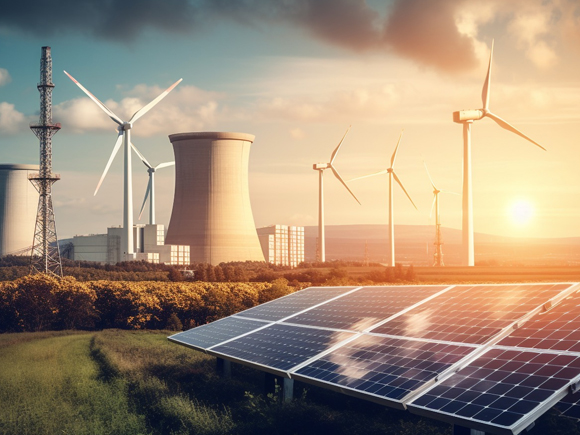
The energy transition is now inseparable from growth strategy and industrial competitiveness. This track will examine scalable renewable deployment, storage and grid integration, CCUS, and circular economy approaches to critical minerals. It will also address the policy and financial frameworks required to de-risk green investment and promote innovation while balancing sustainability goals with cost competitiveness and global market realities. The discussions will also examine India's expanding leadership in renewable energy, green hydrogen, battery storage, and sustainable industrialization, and how these capabilities can support global energy transition efforts.
 
×


×


Transforming Agriculture, Food Security & Bioeconomy
Smart and climate-resilient agriculture is central to food security and economic stability. This track will explore precision farming, resilient seed systems, sensor-enabled real-time monitoring, big data optimization of yields and supply chains, and robotics/automation for food processing and safety. It will also discuss scaling Climate-Smart Agriculture (CSA) to strengthen sustainability, reduce vulnerability, and enhance farmer incomes. Emphasis will be given on India’s transformative efforts in agricultural innovation and boosting productivity and resilience at scale. These discussions acquire added significance as India, under its BRICS Presidency in 2026, is advancing global cooperation on agriculture, food security, and the bioeconomy by leveraging its record foodgrain production of over 376 million tonnes and promoting scalable, low-cost agricultural innovations across the Global South.
 
×


×


Smart Manufacturing
Manufacturers must scale beyond pilots to deploy Industry 4.0 solutions that deliver measurable outcomes in terms of productivity, quality, energy efficiency, safety, and resilience. This track will spotlight how digital factories can become faster, cleaner, and more competitive through automation, AI, digital twins, predictive maintenance, and integrated supply networks, especially as value chains face volatility, compliance pressures, and decarbonisation demands.
 
×


×


Transition to Clean Energy & Sustainable Growth
The energy transition is now inseparable from growth strategy and industrial competitiveness. This track will examine scalable renewable deployment, storage and grid integration, CCUS, and circular economy approaches to critical minerals. It will also address the policy and financial frameworks required to de-risk green investment and promote innovation while balancing sustainability goals with cost competitiveness and global market realities.

 
×


×


Technology, Innovation & Future Industry
India’s innovation profile is strengthening, with a Global Innovation Index (GII) rank of 38 in 2025, improving from 52 in 2019. This track will focus on strengthening innovation ecosystems through IP protection, technology transfer mechanisms, and deeper industry-academia-startup collaboration. It will also explore the case for raising R&D investment to unlock breakthrough solutions for national and global challenges.

 
×


×


Future of Mobility
Mobility is shifting toward electrification, autonomy, connectivity, and shared models. This track will explore EV ecosystems, hydrogen mobility, charging infrastructure, MaaS platforms, AI enabled traffic management, and high-speed rail. It will also highlight the strategic dependence on critical minerals and the need for trusted partnerships across mobility and technology value chains.

 
×


×


Talent, Skills & Global Mobility
With over 65% of the population below 35 and a median age of around 28, India’s demographic dividend is a global asset. This track will explore how digital learning platforms, edtech, AI-driven tools, and industry-aligned training can bridge future skill gaps across advanced manufacturing, clean energy, defence technology, agri-tech, mobility, and health-tech, promoting lifelong learning, employability, and productivity.

 
×


KEY ELEMENTS
Icon
Ministerial
Sessions
Icon
Sectoral
Sessions
Icon
Fireside
Chats
Icon
Technology
Showcase
Icon
Country
Dialogue
FACULTY
Political
Leaders
Global &
Indian CEOs
Policy
Makers
Heads of
International
Institutions
Academia &
Heads of Think
Tanks
Media
Leaders